
The Hardy Owner-of-Record Card
Hardy's owner display works like a dated record card rather than a live deed certificate. The card has limits. A WV Property Viewer result may list a single owner and the physical address. The detail view adds an owner address and additional attributes. The Sheriff tax ticket is clearer still. It carries owner, mailing, and deed-reference fields in verified form. Labels differ between systems. Note which source supplied each field and keep the parcel record traceable.
| Owner name | Name displayed in the parcel or ticket record; the Viewer list may show one owner. |
|---|---|
| Mailing address | Tax correspondence address, including a care-of line where shown. |
| Situs address | Physical location of the parcel; E-911 address search uses this type. |
| Last sale date | Not confirmed as a standard Viewer field in the research capture. |
| Deed reference | Hardy tax tickets show deed book and page for a Clerk cross-check. |
| Assessment year | Read the year on the tax record; state data is released annually. |
The owner of record is simply the name shown in the tax or deed record, which may not be the person living there. A mailing line can point to a business, a representative, a care-of contact, or a different household entirely. The Clerk's latest deed governs the rest. It supplies the recorded grantee and legal description. The Assessor card is only a tax snapshot.
Hardy Viewer Detail Adds an Owner Address
The WV Property Viewer keeps its short result list separate from the detailed parcel card. The list can be sparse. One owner and a physical address may be all it holds. Open the parcel for more. An owner address may appear there, along with additional attributes. Joint ownership makes that field matter. Entity names rarely resemble a household. The owner address helps confirm who stands behind them. Save the parcel ID beside each field you copy. A second search can then be tied to the same tract.
A Hardy Sheriff tax ticket may add the owner's name, a care-of line, and the mailing address. It may also add the legal description and a deed book and page. The book and page is a lead. It points toward the Clerk's record rather than to the deed image itself. Neither the Viewer nor the ticket guarantees the name. The name may not reflect a sale recorded after the annual assessment snapshot.
Open the WV Property Viewer to search Hardy by physical address or parcel attribute.
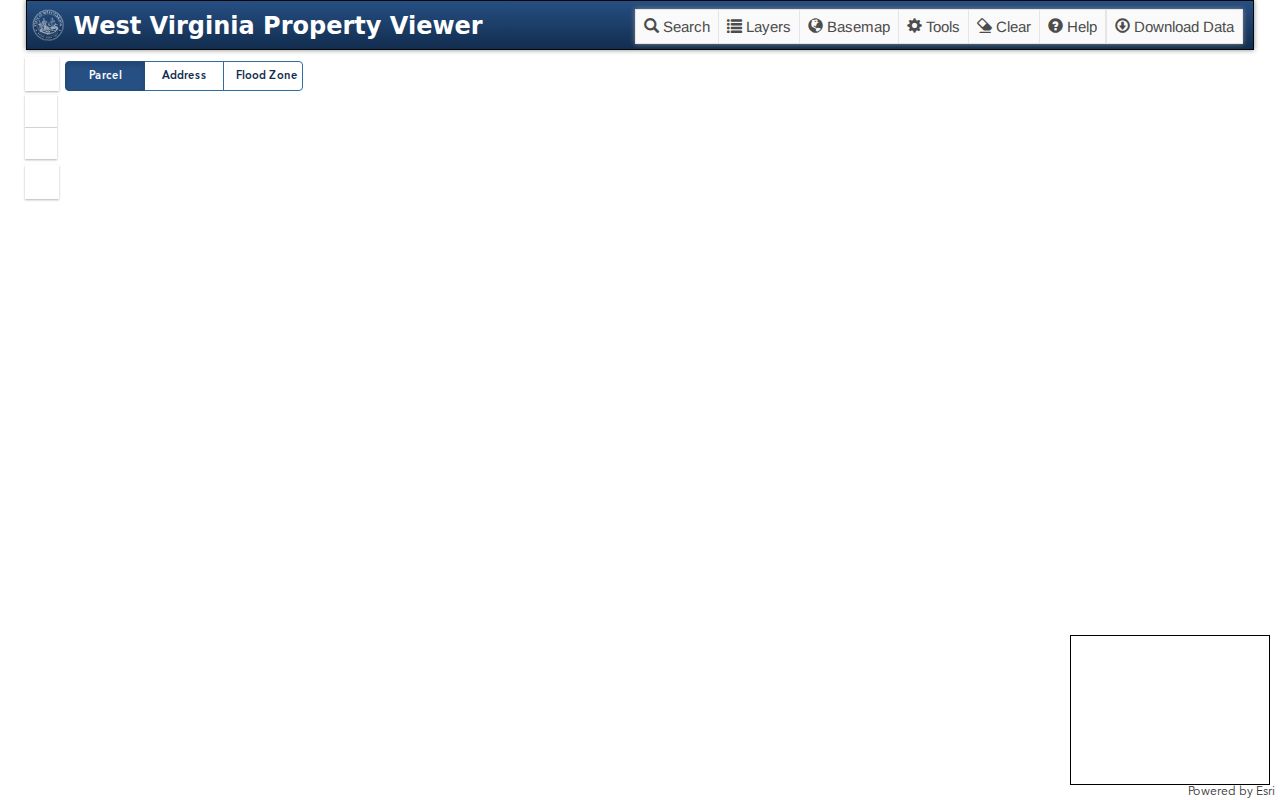
Open the detail panel after the result list to see the fuller parcel record.
Hardy's Owner Display Is an Annual Snapshot
West Virginia updates the assessment Viewer data once a year. A recent closing can leave Hardy's state parcel screen showing the prior owner until a later release. The timing rule is specific. For transfers running from July 1 through June 30, assessors must submit revised tax maps by February 1 of the next calendar year. The state advises contacting the local Assessor if new map lines sit unchanged after two years.
That lag explains why a freshly recorded deed can be newer than the owner name in the tax display. Compare the recording date with the assessment year. Then ask the Hardy Assessor about any mismatch. A stale map line proves nothing about recording. The deed and its legal description show the recorded transfer. The Viewer shows the tax system's present snapshot.
Use each source for its own date and role. Never blend an annual owner display with a new deed into one undated answer.
Confirm the Hardy Current Owner Against the Deed
Whenever the answer matters, check the displayed owner against the latest recorded deed. Hardy County Clerk Online Records runs on a subscription. Walk-in researchers can use the counter instead. Both routes reach the same deed records. Published online rates are $5 for one day, $50 for a month, $150 for six months, or $200 for a year. The office is at 204 Washington Street, Room 111, Moorefield, open 9 a.m. to 4 p.m. Monday through Friday. The published pages list no online index cutoff year. They also omit an exact image fee. If the index misses a record, ask the Clerk to search by party name, book and page, map and parcel, date, or legal description.
- Write down the full parcel ID and owner display from the Assessor or Viewer.
- Search Hardy County Clerk records for the latest deed by grantee, parcel, or legal description.
- Compare grantee, recording date, book/page, and land description with the same parcel.
- If the grantee is an entity or estate, verify that name in its own official record source.
Read the party roles with care. The grantor conveys an interest. The grantee receives the interest that instrument describes. One deed may name several grantees or vest title in an entity. Before calling any instrument the newest deed, search forward from its date for a later conveyance touching the same legal description. A deed of trust, lien release, or plat may sit near a transfer in the index without changing the owner of record.
- Owner of record
- The name shown by a tax or deed record, subject to its date.
- Vesting
- The form in which the deed names the grantee, including an entity or co-owners.
- Registered agent
- The contact listed for a business entity, not proof of parcel ownership.
Mailing and Situs Fields Differ in Hardy
The situs address describes where the parcel sits. The mailing address marks where the tax bill goes. A Hardy tax ticket can show the owner, care-of field, mailing address, and legal or location description together. A mailing city may read Moorefield or Wardensville even when the land sits outside that town's corporate boundary. A post office name is not a parcel boundary.
The WV Viewer address search relies on E-911 physical addresses. Rural routes and PO boxes will not work. When a street address finds nothing, use the parcel ID, owner, or coordinate route instead. Keep the mail address separate from ownership questions. It marks a contact route, not the property's location.
Hardy Entity Owners Need a Name Check
An LLC, trust, corporation, or estate can show up as the owner of record on a Hardy County deed or tax ticket. Match the name exactly. Then take that name to the West Virginia Secretary of State's business database. The basic search covers organization and agent or officer fields. Advanced filters go further. They include street, city, state, organization type, dates, active status, and business-purpose codes. A Hardy County filter narrows results fast. Use WV's advanced organization search to run the entity and agent lookups.
The state record helps you tell similar entities apart. It also names the registered agent and officers. Still, it does not prove current ownership of a parcel. For that, check the newest recorded deed at the County Clerk. Compare the legal description against the parcel number. An inactive corporate listing does not erase a name from a deed.
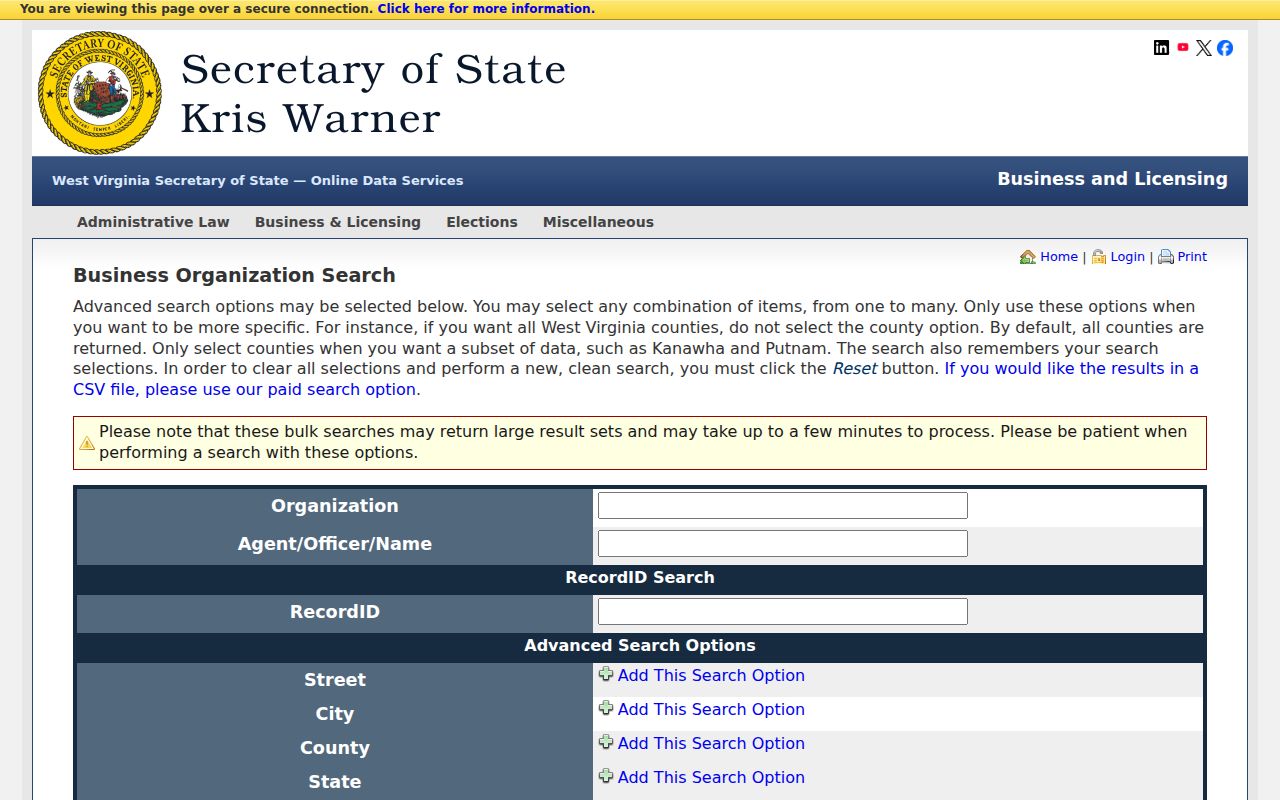
Entity records supply context; the recorded deed remains the transfer record.
Hardy Estate Names Need Clerk Confirmation
A death shifts title questions to the County Clerk. When a Hardy County resident dies, probate and estate files there may explain who had authority to transfer real estate later. The Clerk handles wills and estate documents. The office supports testate, intestate, nonresident, and ancillary administration involving West Virginia land, and filers should call for an appointment. A death certificate proves the death itself. It is not a title record.
To find the current owner, verify the recorded transfer by the personal representative, executor, administrator, or heir in the land index. A will alone proves nothing about a deed. Recording against the parcel is what counts. If the estate opened outside Hardy County, ask the Clerk about ancillary filings for local land. Read the newest deed and the tax roll together, and note each record's date.
Limits on Hardy Current Owner Details
Public owner information exists for property research. That is its purpose. A public record is not consent to track or pressure a person. West Virginia's map system states that property information is not private. The relevant public-record rules make that so. Sensitive details, like phone numbers and security-alarm information, are redacted before release. Do not reproduce protected personal details from a scanned deed. Never use a mailing address outside a lawful property matter.
These records answer one question: who appears as owner of record. They do not show who lives at the situs. A current-owner result also cannot certify clean title. For the broader path from address to deed records and owner, see the Hardy owner lookup method.
Lawful use. Use Hardy current-owner records for a property matter or civic purpose. Do not use names or mailing details to stalk, threaten, or harass anyone.