
Compare Hardy Property Value Figures
In Hardy County, the phrase property value covers three separate figures. There is the Assessor's taxable assessment, a market estimate, and the amount recorded in a completed sale. West Virginia builds its assessment from a share of market value. The county tax ticket splits land from buildings. A deed may state consideration or note a transfer. The Viewer publishes no online field showing a full sale price for every parcel.
| Value | What It Is | Where |
|---|---|---|
| Assessed value | Tax value set at 60% of market value under Hardy's stated rule | Assessor and state assessment record |
| Market value | The full-value basis used for the assessment calculation | Assessor method; not necessarily a separate Viewer field |
| Sale price / consideration | Transaction-specific amount, if recorded or available in the instrument | Deed or transfer record; exact online display not confirmed |
| Land and improvement | Separate assessment components; tax ticket may show gross and net amounts | Assessor record and Sheriff tax ticket |
The assessed figure is not what a buyer would pay. An assessment serves the tax system, while a sale is a dated transaction with its own terms, and the assessment can trail a recent change by a full cycle. For the tax bill, payment calendar, and exemptions, see the separate Hardy property tax records page.
Hardy's Assessment Uses Sixty Percent
The Hardy County Assessor applies a set ratio. Assessed value equals 60 percent of market value. The Assessor first determines each parcel's true and actual value for the property record. Levy bodies then set the rates that produce the tax. That percentage explains why the assessed figure sits below the market basis. It does not promise a private sale at full value. A value change and a bill change also move on separate tracks. Values belong to the Assessor's record. Levy rates come from taxing bodies and apply to the taxable assessment. Comparing two bills works best when parcel, tax year, exemptions, and levy period stay together. Ask the Assessor about a value entry and the Sheriff-Treasurer about the amount due. The county links online land books showing ownership, historical taxes, and land descriptions. The state WV Property Assessment system provides free assessment search and parcel Viewer tools, refreshed annually. The year attached to any value matters. Have a suspected error or a question about recorded parcel components? The Hardy Assessor remains the local source. Start at the WV Property Assessment portal for statewide assessment and Viewer tools.
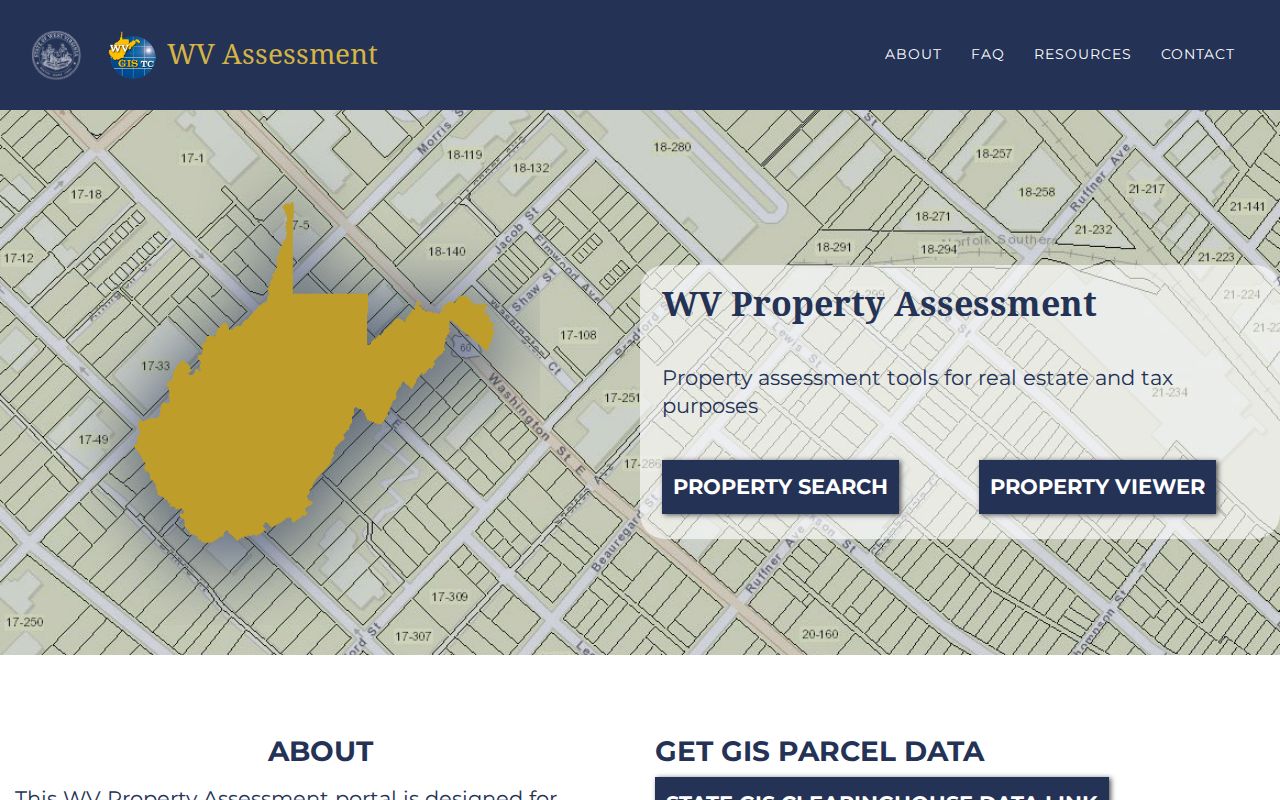
The portal connects to the statewide value record; the Hardy Assessor handles county-specific corrections.
Hardy Value Records Split Land and Buildings
A Hardy County tax ticket lays value out in parts. The sample separates land, building, and total assessment amounts, including gross and net values. It can also list class, map, parcel, subparcel, special ID, and deed book and page. Those fields show which pieces of the property fed the tax account. They are still tax-record entries. They are not a market appraisal or an offer. Always compare the same tax year and parcel number when reviewing property records. Gross amount, net amount, exemption marker, and tax due each play a distinct role. The ticket's book and page can point toward the recorded instrument describing the property. It never replaces the deed's legal description. A value may look out of step with a recorded split or improvement. Ask the Assessor to check the parcel. The sample Hardy tax ticket shows value components beside parcel and payment references.
Keep the tax year and parcel ID attached to every amount. That habit keeps one assessment period from being mistaken for another.
Find a Hardy Assessment by Parcel
Start a Hardy County property search in the state assessment portal. Locate the parcel, then read the assessment year and value components shown. An E-911 address can begin the search. But the full parcel ID links more reliably to a tax ticket or land-book entry. If the value itself is the goal, note its year. Also note whether it is a land, improvement, gross, or net assessment.
- Open WV Property Assessment and enter the physical Hardy address or choose the parcel search mode.
- Open the parcel detail and record the full ID, assessment year, land, building, and total fields shown.
- Compare the same parcel in the Hardy Sheriff ticket for gross/net values and exemption indicators.
- For a transaction amount, check the recorded deed or ask the Clerk which instrument carries it.
- Assessed value
- The tax value shown for the parcel under the state's assessment rule.
- Market value
- The full-value basis used to calculate the assessed amount.
- Sale price
- The amount tied to a specific transfer, if the deed or related record states it.
- Assessment ratio
- The relationship between the assessed figure and market basis; Hardy states 60%.
- Assessment year
- The period of the value record; state Viewer information is released annually.
Annual Updates Can Trail a Hardy Sale
West Virginia refreshes its assessment Viewer once a year. A recent purchase can leave the state map showing a prior owner. It may also show older parcel geometry until a later release. For transfers between July 1 and June 30, assessors must submit revised tax maps by February 1 of the next calendar year. New map lines can lag. The state advises contacting the local Assessor if they stay unchanged after two years. A sale price and an assessed value carry different dates as well. The recorded deed may name a new grantee. Meanwhile the state property record still reflects the prior assessment cycle. Note the deed recording date and the assessment year before comparing amounts. The latest assessment is not a live appraisal of today's market.
Hardy Sale Price Lives in a Different Record
An assessed value is not a sale price. Hardy County's assessor applies a 60% formula linking assessment to market value. Yet that formula says nothing about what a buyer actually paid. The deed records the transfer. It also carries the parcel's legal description. Do not expect a Viewer result to include the last sale price. The online display of consideration is not dependable. When a deed states consideration, the recorded instrument and its date are the real transaction source.
The County Clerk runs a paid index covering deeds and related instruments. Older records and copies still have a counter route. The county publishes no online cutoff year and no image charge, so ask before ordering. A tax ticket's deed book and page reference can point you to the right instrument. Read any transaction amount only in the context of that recorded deed.
Hardy Exemptions Change the Tax Base
Hardy County lists a homestead exemption worth $20,000 off assessed value. It applies to an eligible qualifying residence. A farm and agricultural exemption has its own filing path. Either one changes the taxable figure. Neither changes market value or the price a property last fetched. The county text does not spell out every eligibility rule or the current filing date. Confirm those details with the Hardy Assessor before counting on an exemption.
Check the exemption indicator on the tax ticket. Compare it against the Assessor record. Something look off? If it seems wrong, ask the county which filing or correction applies. Never treat the taxable amount as a market-value estimate. Tax-bill and appeal procedures sit on the Hardy property tax records route.
GIS Acreage Is Not a Value Appraisal
The WV Property Viewer draws surface parcel polygons and calculated map context. West Virginia itself warns that its tax maps are best-fit visualizations, not legal boundaries. Deeded acreage beats calculated GIS acreage. Not every mineral parcel appears as a surface parcel. So map acreage is no certified measure of land and no complete appraisal input.
Does a value question hinge on acreage? Verify the legal description and any recorded plat. Exact acreage or a physical boundary calls for a licensed surveyor. The Assessor can correct parcel data. A map viewer never replaces a survey or a professional valuation.
Limits of the Hardy Assessor Value
A Hardy assessed value is a tax figure. It comes from county assessment and an annual state file. It is not an appraisal. Recent sales, current market conditions, buyer financing, repairs, and negotiations all sit outside the number. Use it to read the tax record, not to price the parcel.
Value versus price. The Hardy Assessor's figure is not a sale price or a private appraisal. Use a qualified appraiser for a market opinion.