
Hardy Property Tax Records by Field
Hardy tax records live in two places. The Assessor holds the value and land data, while the Sheriff holds the collection account. The tax ticket bridges them nicely. It carries parcel identifiers, assessment figures, and a deed reference right alongside the payment details. Treat each field below as a place to look. Ask what the record can answer. Always check the ticket's year and status live.
| Field | What It Shows | Where |
|---|---|---|
| Assessed value | Tax value; Hardy uses 60% of market value | Hardy Assessor / WV Property Assessment |
| Land and building | Separate land, improvement, gross and net amounts | Assessor record and Sheriff tax ticket |
| Exemption markers | Homestead or exoneration indicators when present | Assessor and ticket detail |
| Bill and status | Half-year tax, discount, interest, amount received, due balance | Hardy Sheriff tax portal |
| Map and deed references | District, map, parcel, subparcel, special ID, deed book/page | Sheriff ticket and County Clerk |
A tax bill is not a sale value. The Assessor determines "true and actual" value first. The assessment formula and any relief then shape the taxable amount, levy bodies set the rates, and the Sheriff collects the money. For what the number itself means, see the separate Hardy property value discussion. This page stays on the tax account and its payment record.
Hardy's Sixty-Percent Assessment Rule
The Hardy Assessor puts assessed value at 60 percent of market value. The Assessor sets the value. Levy bodies decide the rates. That split matters when a tax amount looks high. A question about a parcel's value goes to the Assessor. A question about a bill or payment goes to the Sheriff-Treasurer. Hardy land books are described as showing ownership, historical taxes, and land descriptions.
The state assessment system publishes its data once a year. The WV Property Assessment portal is the free statewide entry point. The Hardy Assessor is the local contact for corrections. A recently sold property may still list the former owner of record. That lasts until the next release. Map changes can lag too, since digital geometry takes time to catch up. When a parcel line stays out of date, the state says to contact the assessor.
The state assessment home links to the free search. It also links to the Viewer used for Hardy parcels. Open the WV Property Assessment home.
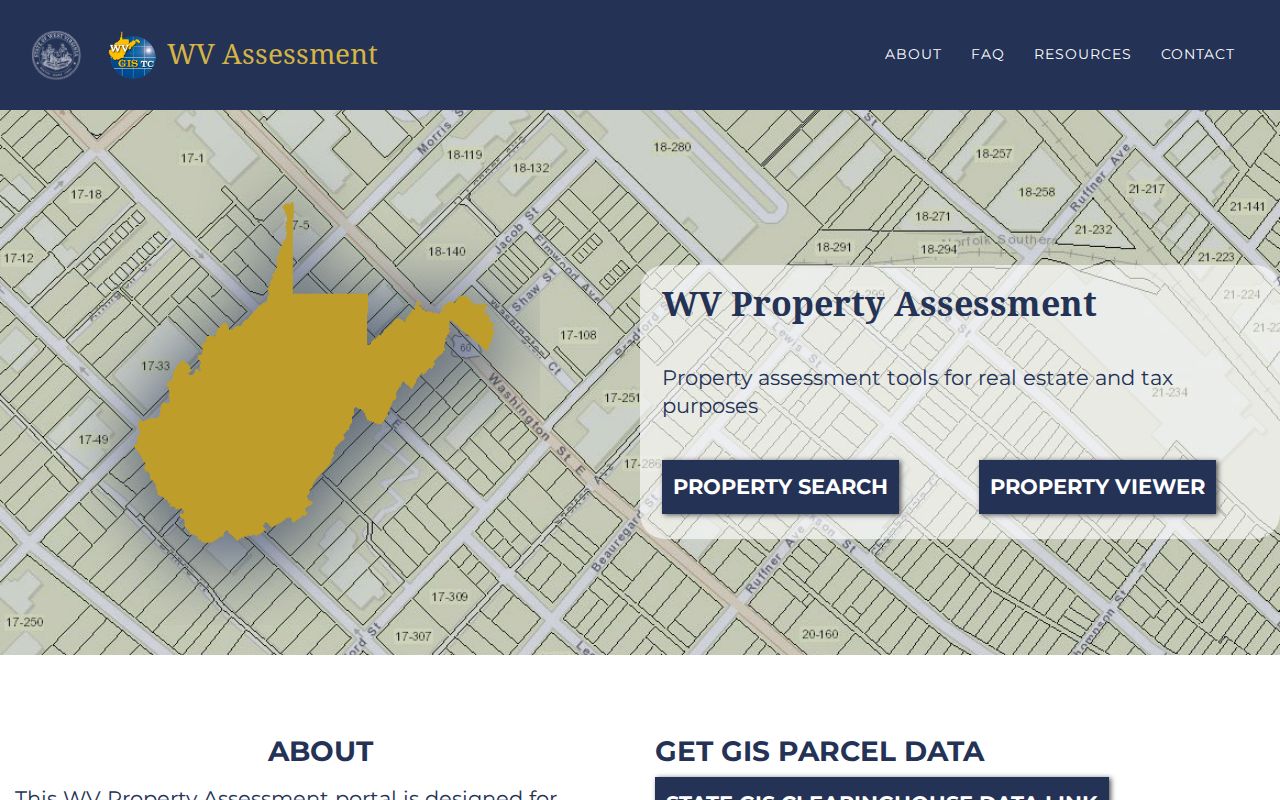
Start at the state screen, but route any Hardy correction or value question straight to the county Assessor.
Homestead and Farm Relief in Hardy
The county Assessor page identifies a homestead exemption. It cuts assessed value by $20,000 for a qualifying residence. A farm and agricultural exemption filing path is explained there too. Both work on the tax side of the record. That is why two parcel values can produce different bills. Every eligibility detail and current filing deadline should be confirmed directly with the Assessor.
Check the exemption marker on the tax ticket against the land-book or assessment entry. If an expected exemption is missing, ask the Assessor whether the filing arrived. Ask what proof is needed and when a correction can take effect. Never infer eligibility from an owner name or mailing address alone. The county's current instructions govern the process.
Farm and homestead treatment follows the property and the application. It is not a blanket deduction for every Hardy parcel. Keep the parcel ID handy so staff can pull the right account.
Find the Hardy Tax Ticket and Bill
Use the Hardy Sheriff tax portal for the current ticket and payment state. The live search form is dynamic, so search boxes and required fields may vary. A ticket number works well. So do the district, map, parcel, and subparcel references. Either one helps the portal or staff reach the right account. Once the ticket appears, compare its tax year and parcel description with the Assessor's record. Do this before trusting the balance.
- Open the Hardy Sheriff tax portal and use the search fields currently offered there.
- Match the returned tax year, ticket, class, district, map, parcel, and subparcel to the property.
- Read the assessment, exemption marker, first and second half amounts, payments, and balance.
- For a delinquent flag or sale question, verify the current notice with the Sheriff and county tax office.
When a prior-year ticket or receipt is not visible in the live portal, contact the Sheriff-Tax Office. Include the tax year, ticket number, district, map, and parcel. A specific request for a historical public record can also go to its custodian. This option rests on West Virginia FOIA, W. Va. Code §29B-1-3. The statute asks for a reasonably specific request. It allows actual reproduction costs. The Hardy office can confirm whether an older account is still available. It can also say in which copy format.
- Assessed value
- The value used as the tax base under West Virginia's assessment rule.
- Levy
- The rate set by taxing bodies; the Assessor does not set it.
- Homestead exemption
- A county-described reduction for an eligible qualifying residence.
- Tax lien
- A claim tied to unpaid taxes; check the ticket and recorded or sale records.
Hardy Tax Tickets Carry Deed References
A Hardy Sheriff tax-ticket detail can show far more than a balance. Its sample lists the tax year, ticket and account numbers, class, district, map, parcel, subparcel, and special ID. It also names the owner, care-of line, mailing address, legal or location description, and deed book/page. The record separates land, building, and total gross or net assessment. Exemption status and half-year tax may appear. Discount, interest, fees, receipt date, due amount, and a delinquency note may appear as well.
The book/page field is a cross-reference, not the deed itself. It carries the tax account toward the County Clerk's instrument. Payment fields change as receipts post. So a downloaded image is not proof of a current balance. Check the ticket's status close to any payment or sale inquiry. The Hardy Sheriff sample ticket shows those account fields together on one record.
Use the ticket number for tax questions and its deed reference for a separate Clerk search.
Hardy's Two-Half Bill and Payment Route
The Sheriff-Treasurer handles more than 19,000 tax bills a year. Bills go out around mid-year for the prior year. Real-estate tax in Hardy is paid in two halves. Pay the first half by September 1 to earn a 2.5% discount. Pay the second by March 1 for the same benefit. Payment happens in person or by mail. The office takes no credit cards. Write the tax-ticket number on any check.
Check the live portal for amounts received and any balance. Don't work from an older bill. Interest or fees may show up as the Tax Office applies them. A single tax ticket can split first and second half amounts, discount, interest and fees. It can also show the received amount and date. It lists what remains due. Those fields let you see whether the account changed after the bill was issued.
The Hardy Sheriff tax search is the place to check ticket detail and payment status.
When the online result is unclear, use the ticket number when contacting the Sheriff-Treasurer.
Delinquent Hardy Land and Tax Sales
A tax account turns delinquent after April 1 of the year following issuance. The Tax Office says a delinquent list is published after April 30. Hardy also identifies a November delinquent-property list in the Moorefield Examiner. Dates and sale notices shift from year to year. Verify the current ticket, the county tax-office instructions, and the newspaper notice before acting.
The WV Property Viewer carries a Delinquent Lands layer. The state updates it weekly. The State Auditor tracks property returned to the state, along with tax-sale and redemption information. An approximately 18-month redemption period runs before auction. A map layer is only a lead. Use the Auditor and Sheriff records to pin down a specific Hardy tax parcel.
Mortgage foreclosures travel a different route through Circuit Court and recorded notices. A tax delinquency is not a mortgage default. A published list is not a title report either.
Delinquency begins after April 1 of the year following issuance. A county list may appear after April 30 and again in November. The exact year and property notice still need live confirmation. Keep four documents apart when weighing a possible sale. These are the Sheriff tax ticket, the publication notice, the State Auditor's sale or redemption entry, and any later recorded deed. Each carries its own date.
How Hardy Assessment Appeals Begin
The county Tax Office routes appeals through the Board of Equalization. Start any value concern with the Assessor's parcel record. Then gather evidence for the specific land or improvement: the legal description, map location, and any recorded change. That change may not yet appear in the annual state file. The board calendar, filing form, and deadline change each cycle. Call the Hardy Assessor or Tax Office for the operative dates before preparing an appeal.
Keep value and bill issues separate. The Assessor maintains the assessment record. Levy bodies set rates. The Sheriff applies the bill and receipts. A payment question belongs with the tax portal or collection office. A factual error in a parcel's owner, acreage, or improvement record goes to the Assessor. Fixing it may take a deed or plat from the Clerk.
Appeal window. The Hardy sources reviewed do not publish the current Board of Equalization deadline. Confirm the annual calendar with the Assessor or Tax Office before filing, because a general date should not be treated as the county's current deadline.